
The Living Word Imparts Knowledge of Himself
- Albrecht…Epiphany 2…John 1:43-51…The Living Word Imparts Knowledge of Himself
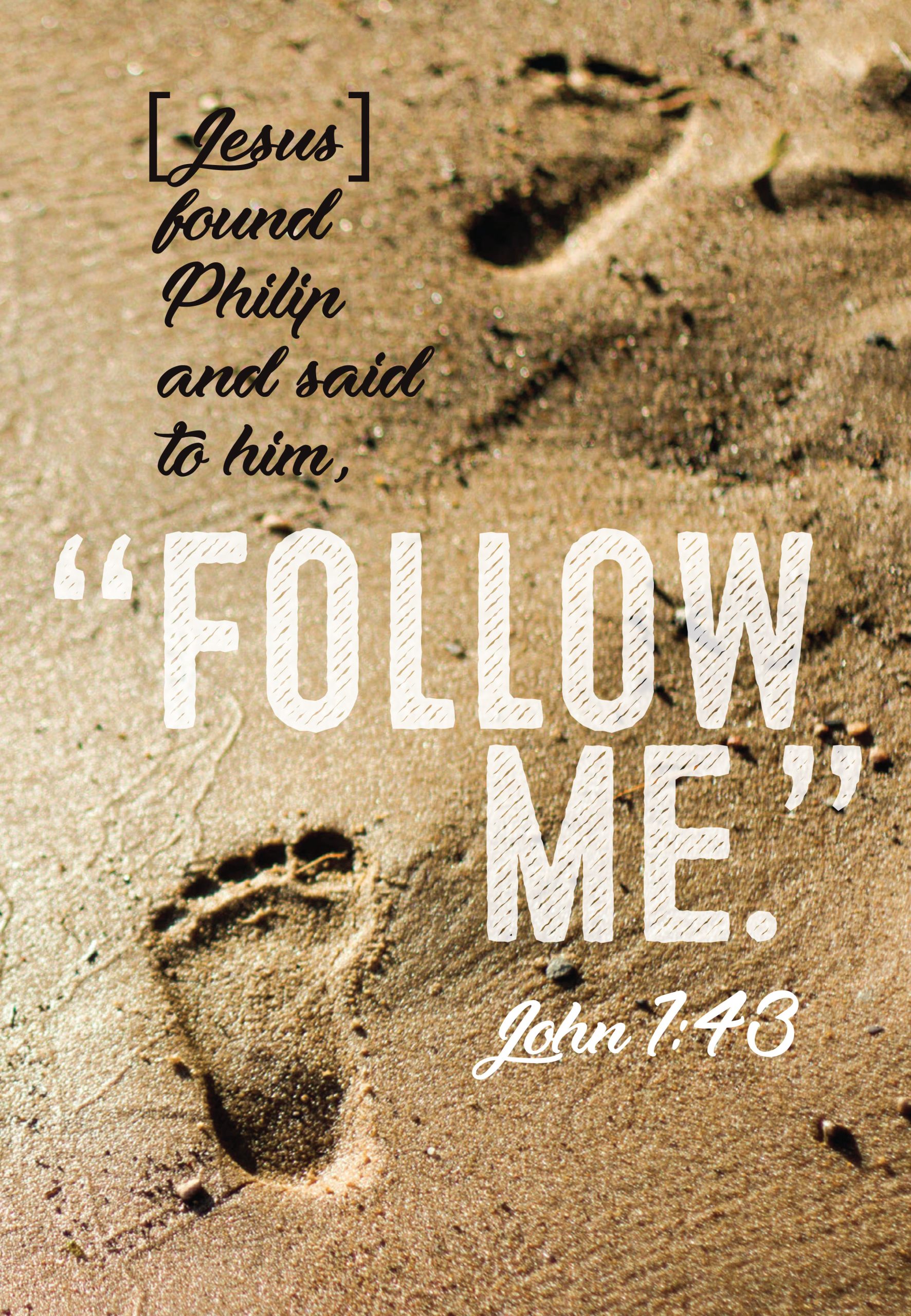
The next day Jesus decided to go to Galilee. He found Philip and said to him, follow me. Now Philip was from Bethsaida, the city of Andrew and Peter. Philip found Nathanael and said to him, we have found him of whom Moses and the law and also the prophets wrote, Jesus of Nazareth, the son of Joseph. Nathanael said to him, can anything good come out of Nazareth? Philip said to him, come and see. Jesus saw Nathanael coming toward him and said of him, behold an Israelite indeed in whom there’s no deceit. Nathanael said to him, how do you know me? Jesus answered him, before Philip called you when you were under the fig tree, I saw you. Nathanael answered him, rabbi, you are the son of God. You are the king of Israel. Jesus answered him, because I said to you, I saw you under the fig tree, do you believe? You will see greater things than these. And he said to him, truly, truly I say to you, you will see heaven open and the angels of God ascending and descending on the son of man.
Peace be unto you, who continue to grow in the grace and knowledge of our Lord Jesus Christ, Amen.
INJ: Who came to bid us to follow Him, that we may learn of our God and our Savior, DFR.
There’s a sign in Washington, D.C. over the entrance of the U.S. Patent Office, where new things are the order of the day. The sign proclaims, the past is but the prologue. One day a tourist asked a cab driver what the sign meant. Said the cabbie, it means, brother, you ain’t seen nothing yet. Now it’s not hard to imagine Jesus using such a slogan, especially when he called Philip and Nathanael into discipleship.
Both Philip and Nathanael had a knowledge of who Jesus was, but they would quickly realize their knowledge was very limited compared to what they would come to know about this Jesus of Nazareth. This account before us this morning is very easy to overlook. Sounds like another section of Scripture that works great for an evangelism text. And really it is. As Philip bids Nathanael to simply come and see for himself why this Jesus of Nazareth is the Messiah, so also do we bid people to come and investigate the evidence of God in his word. We don’t rely on great orations, but we let God’s word do the talking, and God’s spirit to do the convincing.
Then as Jesus revealed his divine power to Nathanael, proving his identity to him, we also look and pray to the Holy Spirit to convince those that we talk to that Jesus is the Son of God, sent to save sinners. But this morning, Epiphany begs us to look at this section and ask the question, what else is the Holy Spirit revealing to us in this account? The simple answer, divine knowledge. It is knowledge about who this Jesus of Nazareth is, why He is here, and what He will do.
The unique part is that Jesus is the one imparting this knowledge to us of Himself. As the Living Word, the Word of God made flesh, He alone has the authority to teach us about Himself. Philip was convinced of this by the Old Testament Scriptures, that Jesus was the promised Messiah. Nathanael saw the power of Jesus revealing that divine nature, but Jesus said this is only the beginning. What they would see in following Him is of far greater significance. It is that significance that the Living Word would lay on your hearts this morning.
As we consider the words of Jesus in John chapter 1, we pray, Sanctify us by Your truth, O Lord, Your Word is truth. Amen.
Jesus’ words to Philip were simple and direct. Follow me. Jesus didn’t need an elaborate display of His power to convince Philip about who He was. Philip’s own words to Nathanael tell us what it was that did the convincing. Philip said, we have found him of whom Moses in the law and also the prophets wrote, Jesus of Nazareth, the son of Joseph. The convincing came from the Old Testament Scriptures. It is likely that Philip also heard what John the Baptist had said about Jesus from Peter and Andrew.
If you remember, John pointed to Jesus when He came to be baptized and said, behold, the Lamb of God Who takes away the sin of the world. Using that title as the Lamb of God, sent alarm bells ringing in every Jewish person’s heart, that this Man he was referring to, was the Messiah, the one that God’s people have been waiting for. But even then, it wasn’t John who opened the door in the Scriptures for Philip. It was God. Philip saw clearly who Jesus was because he had the eyes of faith. Later on in his ministry, Jesus would show the opposite to be true too. He chastised the Pharisees for being experts in the law of Moses, experts in the prophets, and yet they did not come to the same realization as Philip did. Instead of bowing their hearts before Jesus as the Messiah, they instead turned their hearts from Him and lost out on the precious knowledge that Philip received.
God has given this gift and knowledge to you. His simple words, follow me, echo in this building today and every day that we gather to hear His Word. When you engage in Bible study at home, or when you have an understanding of the message that you are reading, this is a gift from God. It is a knowledge that is given to you by the Living Word, and it should be a reason that we rejoice; because it means that we have received, from God, the Holy Spirit, the same Holy Spirit that you received the very day of your baptism.
When you were washed clean from your sin, God adopted you into His family, giving you the gift of the Spirit who, as Paul says, interprets spiritual things for those who are spiritual. He opens your eyes to the things that are freely given by God. This is done because in the waters of baptism, God gave you a new man. A new spirit. One who loves the Word of God. One who understands the precious gift that God has given to you and to the world in the person of Jesus Christ. In this world, this is an increasingly rare gift. It is something that should be treasured, protected, and exercised often.
Now, contrary to Philip, Nathanael wasn’t so ready to recognize Jesus for who He was, and it’s Nathanael’s response to Philip that can be seen as a little crass: Can anything good come out of Nazareth? Instead of being crass, it could be that Nathanael also knew his Scriptures like Philip did, and also knew that Nazareth wasn’t mentioned in connection with the Messianic prophecies. To Nathanael, Nazareth was just a small drive-through town, the backwoods if you will. Not exactly the place you would expect the Lord of Glory to come from.
But nevertheless, Nathanael too was a faithful man. And when he came to Jesus, Jesus said of him, behold, an Israelite indeed, in whom there is no deceit. What Jesus meant was that Nathanael was a true Israelite like Philip, and not like the Pharisees. Paul would write to the Romans, for not all who are descended from Israel belong to Israel. Of course, Paul is saying that just because you were born in the nation of Israel does not make you the spiritual Israel. That was not Nathanael. He was a faithful believer in God who eagerly expected the coming of the Messiah. But he was also a realist. For before Jesus, many “messiahs” had come up trying to claim the title for themselves, but had proven to be false.
So, what made Jesus different from all the rest? Jesus obliges Nathanael’s hesitancy, and says to him, before Philip called you, when you were under the fig tree, I saw you. And immediately the eyes of faith in Nathanael’s heart clicked on, seeing that Jesus was not some simple man from Nazareth, but was the Son of God in human flesh.
And it wasn’t just that Jesus had a vision of Nathanael sitting under a fig tree. Anyone in that day could have guessed that that’s where Nathanael would be. It was very common in those days, when it was the middle of the day, to find shade under a tree, to go through your meditations and offer your prayers to God. What Jesus gave to Nathanael was a very personal connection that made it clear to Nathanael that this was not something anyone but God could know. And yet, even this was not the most important revelation that Jesus made. Yes, He proved to Nathanael that He was true God. But what Nathanael would see as Jesus’ disciple would make this moment seem like nothing but a prologue.
Jesus said to him, because I said to you, I saw you under the fig tree, do you believe? You will see greater things than these. Truly, truly I say to you, you will see heaven open, and the angels of God ascending and descending on the Son of Man.
I hope your mind immediately went back to our Old Testament lesson (Genesis 28:10-17), for that is exactly Jesus’ purpose; to quote the dream that Jacob had at Bethel. The dream when Jacob was alone, desperate, and sleeping on a rock. He receives this vision from the Lord of angels ascending and descending on this ladder that extends from earth to heaven.
It’s truly a dream that would be something to behold. But it was the words of the Lord that proved to be more important. For in the words that the Lord spoke, He reestablished the covenant of Abraham with Jacob, that in his seed, in his offspring, all the nations of the world would be blessed, pointing Jacob’s attention to the Son of Man. Jesus, who would be our bridge between this sinful earth and the glorious throne of our Father in heaven. Jesus, the Son of Man, is a connecting bridge from our frail humanity to the eternal God. He came to restore that which was shattered by us, our relationship with God.
Nathanael and all the other disciples would see throughout Jesus’ ministry the fulfillment of Jacob’s dream. More than that, the fulfillment of all the Scriptures, proving that Jesus was exactly who He said He was, the destroyer of sin, death, and the devil. Jesus’ whole ministry belonged to proclaiming this knowledge, this wisdom from on high of the kingdom of God. Nathanael and Philip engaged in the same ministry, not just to learn from Jesus, but to call others to the same knowledge, the knowledge of repentance and of faith, that is total trust in His name; to teach them the truths of Scripture, of God’s grace and love. And nothing could fully prepare Philip, Nathanael, and the other disciples for all the wonderful things that they would see and learn at Jesus’ feet.
But remember, even those things they saw, they had trouble grasping till the day of Pentecost when they received the Holy Spirit. The Holy Spirit opened their eyes and their hearts to fully receive the revelation from God. Because that is the nature of the gospel. It is not something that comes natural to mankind, nor did it come natural to us. The gift of Jesus Christ as our Lord and Savior from sin and death does not come naturally. It is impossible for us to know or love Him without His imparting knowledge. For so Paul wrote in our epistle lesson (1 Cor. 2:6-16): the natural person does not accept the things of the Spirit of God, for they are folly to him, and he is not able to understand them because they are spiritually discerned. For who has understood the mind of the Lord, so as to instruct him? But we have the mind of Christ. The purpose of Christ’s work was to fulfill His role as that bridge between you and God, to restore the image of God within you that you were originally created in. Your sin and guilt He took away so that through the waters of holy baptism, you would receive that new man, the one that always abides in the will of the Heavenly Father, the one that can receive this hidden knowledge.
And that knowledge that Jesus first gave to you and continues to give to you every single time you enter into His Word is a knowledge to serve God, to honor Him in your life, and to glorify Him by the sharing of this message of salvation. Something that we would not have come up with on our own. We need God’s help, don’t we? It’d be nice if we were given only that heart, that always and only wants to seek this knowledge from God. It’s our sinful nature that keeps it from happening. As I was preparing for Bible class this week, the author of our book study, Brian Wolfmuller, coined a term, ear stomach. Sounds strange out of context, so let me explain it for you.
Our stomachs tell us when we are hungry, but it’s not specific enough to tell us exactly what we need. And so it is with our spiritual lives. We have a conscience, a gift from God, but how easy is it to smooth over that conscience, to ignore the warning flags it throws up? Though it tells us something is wrong, it is unreliable because our sinful flesh will always choose itself instead of God. Contrast that to the Lord giving us a stomach for His Word, ear stomachs to hear His Word. If we skipped our morning devotions and prayers, that little ear stomach would growl at us, “I’m hungry.” If we skipped church, our children would grab their ear stomachs and complain, “I’m starving. Feed me with the Word.” If we listen to false doctrine, we would get ear stomach poisoning, up all night, vomiting heresy out of our ears.
If we had ear stomachs, the petition, “Hallowed be Thy name” would be as natural and easy to understand as “Give us this day, our daily bread.” Our sinful flesh gets in the way of this ear stomach. We don’t hurt when we skip prayers and devotions. We don’t cramp up when we miss church. But nonetheless, the Living Word desires to impart the knowledge of Him into our hearts. Jesus, our Savior, day after day teaches us what we need most of all: His Name, His Word, His Kingdom, and His Spirit. Your Savior’s desire is only and always to feed you with the knowledge of Him, His grace and His love.
His desire is to lead you to His cross where He suffered and died for all of our sins, for all the times that we neglect His Word, fail to go to Him in prayer, and every time we fail to be the children that He wants us to be. Jesus gives you the comfort of His resurrection, that though our body is a body of death, yet the day will come when He will restore us, renew us to a perfect self, where we’ll have a full knowledge of God’s Word and the desire to serve Him all the days of our life. So today, let us eagerly seek out this knowledge by gathering around His Word as often as we are given the opportunity, for it is the Living Word who imparts this wisdom to us of Himself. Amen.